Big Homes, Big Magic: Why Group-Sized Homes Are Winning Arizona
On this page
If you own a big home, this is your era
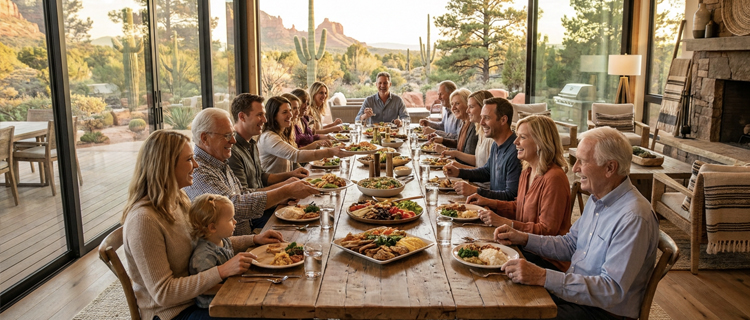
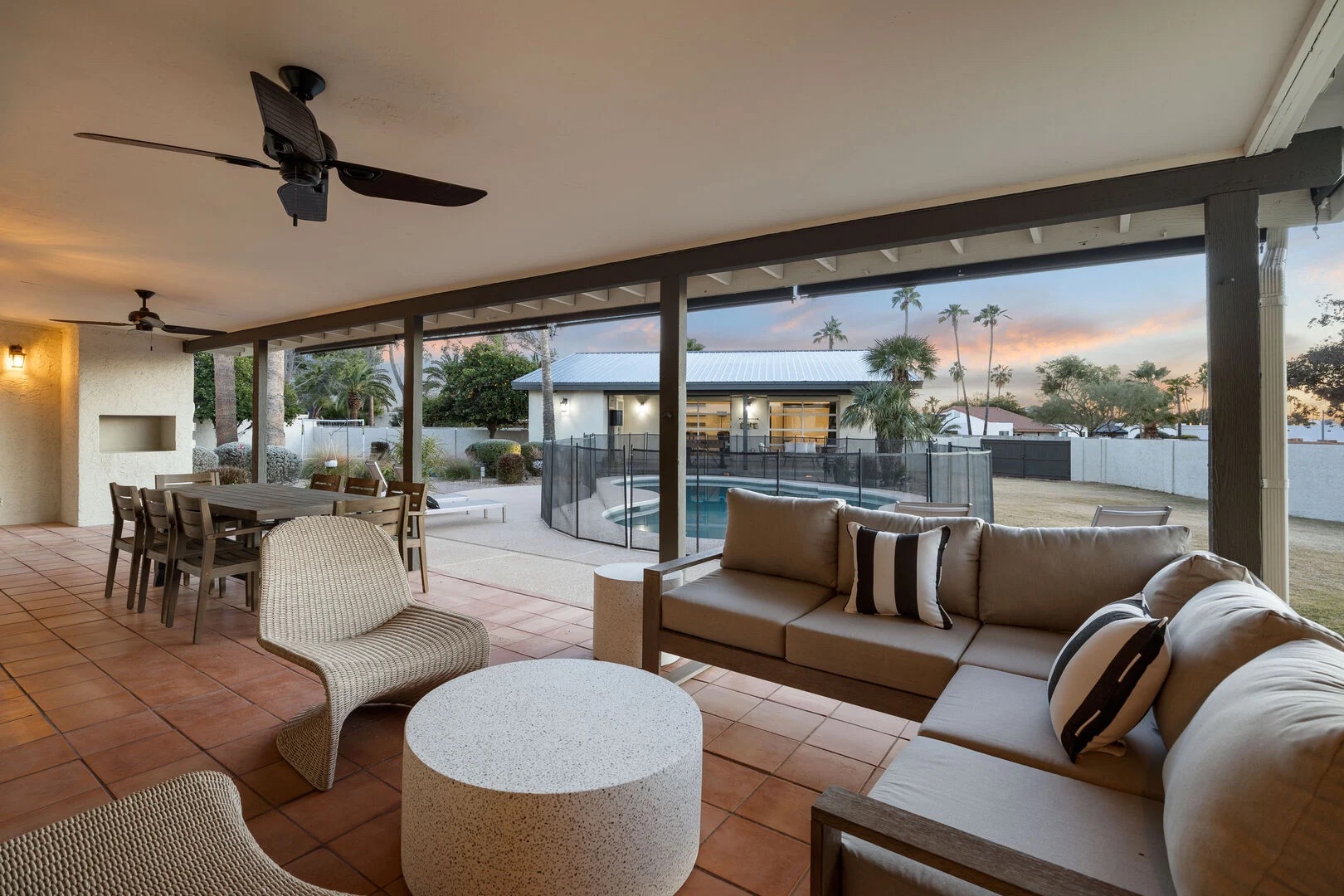
Travel has been quietly reorganizing itself around togetherness. Multigenerational trips, cousin reunions, milestone birthdays, golf weeks, small retreats: the trips people plan longest and remember best are the ones where everyone stays under one roof. And those trips shop for exactly one thing first: a home big enough to hold them. Hotels cannot offer it. Small rentals cannot offer it. The big home is the whole category.
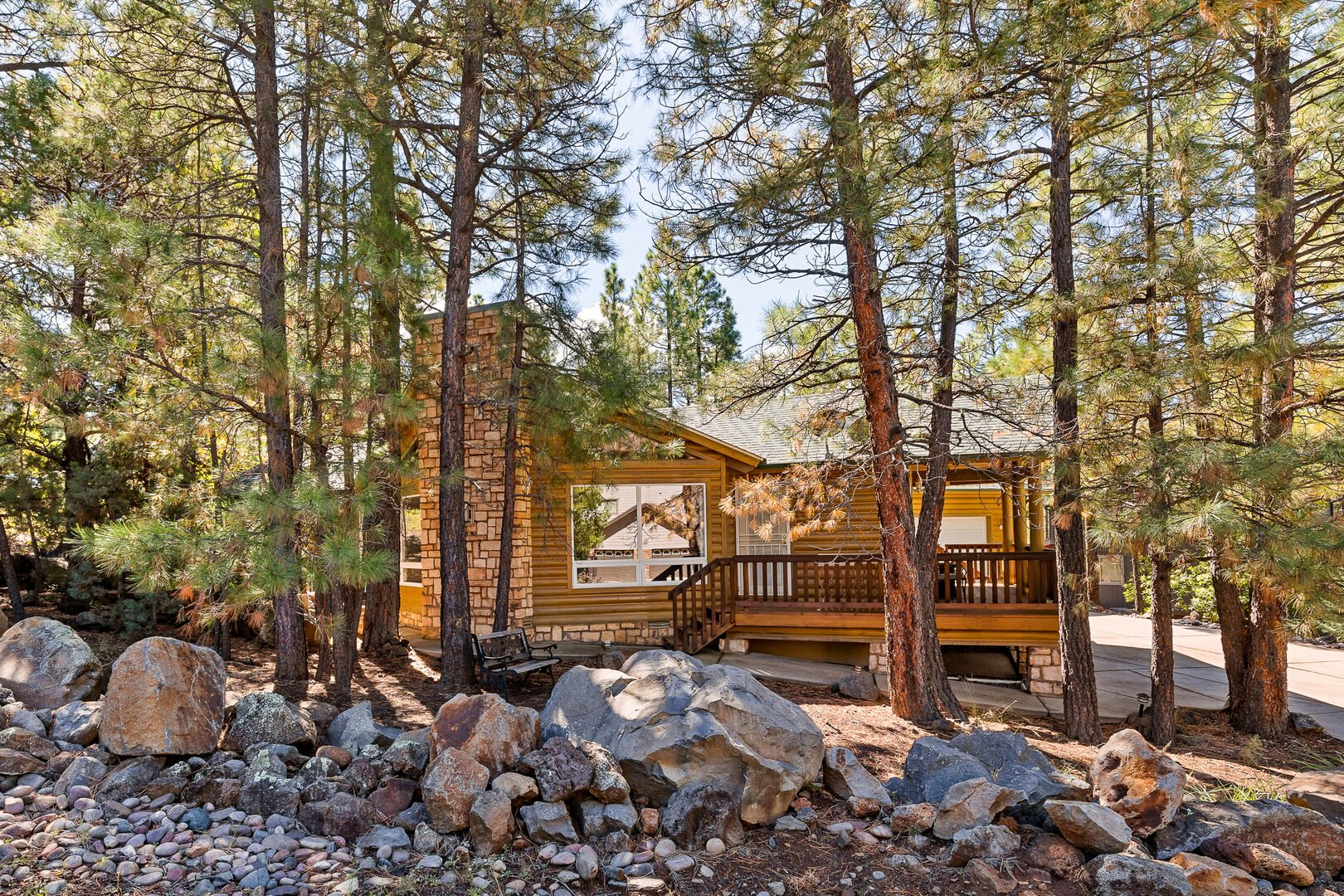
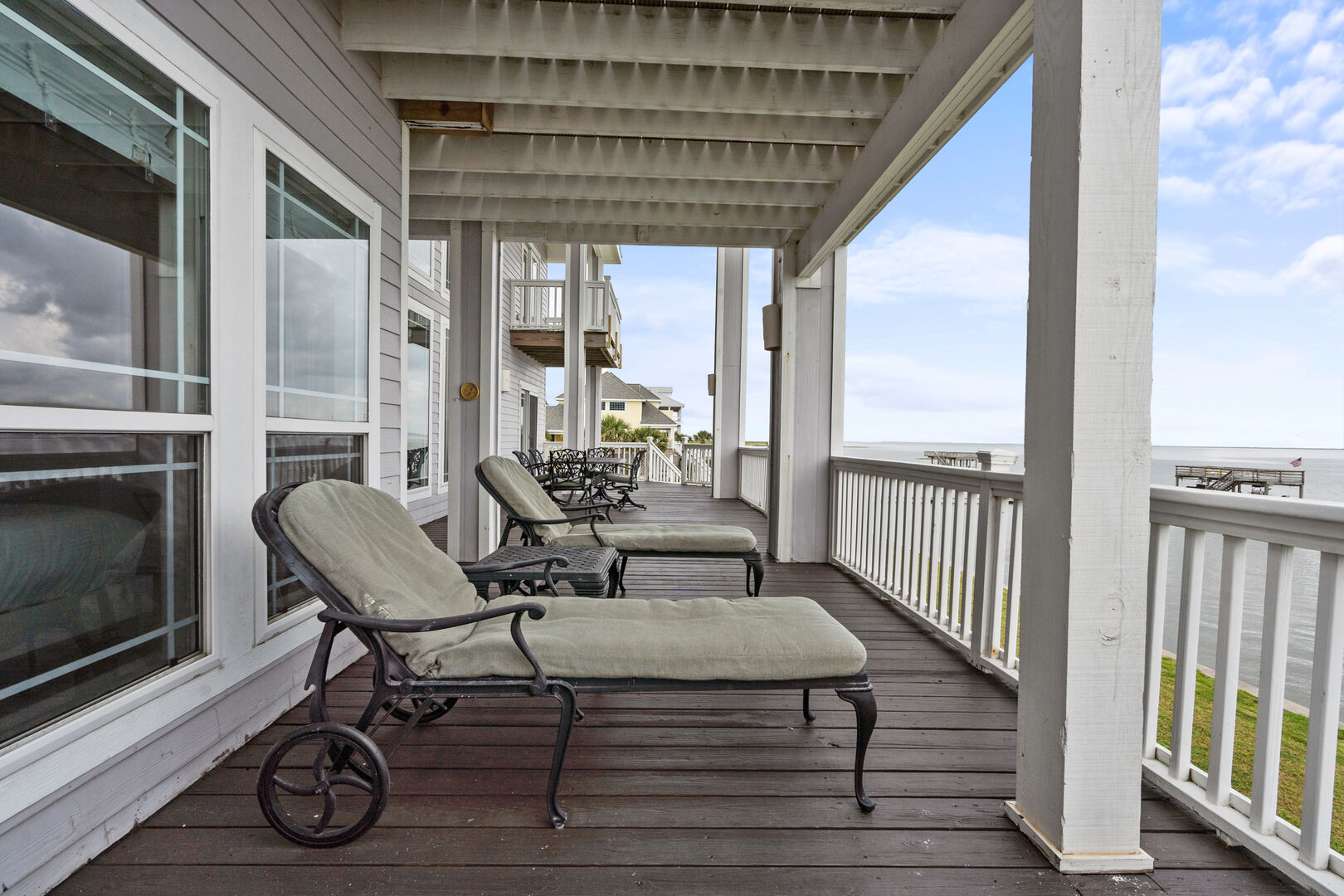
Porter’s own review of the Flagstaff market found precisely this pattern: in a market running around 48 to 54 percent occupancy, large homes and high-end amenities won the year. That is what a structural advantage looks like: when the market is competitive, the homes that sleep the whole family and deliver the gathering spaces keep booking while smaller inventory fights over the remainder. If you own a big home in Arizona, the wind is at your back.
What each size tier unlocks
Sleeps count works like a series of doors. At 4 to 6, you host couples and young families. Cross 7 and the two-family trip appears, with grandparents joining. At 10, the reunion-in-miniature arrives: milestone birthdays, friend groups, the trips with a group chat. And past 13, you enter the category groups plan a year around: family reunions, retreats, golf crews, celebration weeks. Each door opens onto guests who have fewer alternatives and value the right home more, which is why nightly rates climb steeply with size. The explorer below walks the tiers.
Group Home Revenue Explorer
Slide your home’s sleeps count and see the guests each size unlocks, what they expect, and the illustrative rate tier they bring.
All four size tiers are below, each with the guests it unlocks and an illustrative rate tier. Enable JavaScript for the sleeps-count slider view.
Sleeps 7 to 9: the family-plus tier
illustrative rate tier 1.35x
Two families traveling together, grandparents joining. They expect a bunk room, a big table, and game space.
Bar shows the illustrative nightly-rate tier relative to the largest homes.
Sleeps 4 to 6: Couples and small familiesillustrative rate tier 1.0x
Getaway twos and young families
Sleeps 7 to 9: The family-plus tierillustrative rate tier 1.35x
Two families traveling together, grandparents joining
Sleeps 10 to 12: Multigenerational and friend groupsillustrative rate tier 1.8x
Reunions in miniature, milestone birthdays, friend trips
Sleeps 13 to 16: Reunions, retreats, and golf crewsillustrative rate tier 2.3x
The trips planned a year ahead around homes like this
Rate tiers are illustrative multiples of a small-home baseline, not quotes; real rates depend on the home, market, and season. The pattern is the point: every sleeps tier unlocks new guests, and larger homes command meaningfully higher nightly rates.
Groups also shop with a sharper checklist than ordinary travelers. Before they book, they are asking a handful of very practical questions, and homes that answer them clearly win the trip.
| What the group asks | What convinces them |
|---|---|
| “Can we all actually sleep here?” | An honest sleeps count with real beds, shown room by room in the photos |
| “Where do we all eat together?” | The long table, photographed set for the whole group |
| “Will the kids and the grandparents both be happy?” | Multiple living areas, a game space, and a quiet suite or casita |
| “Can we all park?” | Parking stated plainly in the listing |
| “Will it be clean with this many of us?” | Reviews that mention housekeeping depth, stay after stay |
Big homes reward professional depth
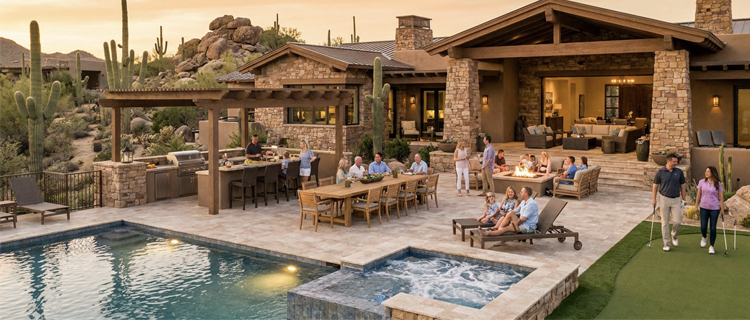
Here is the honest flip side, told optimistically: big homes are operationally demanding, and that is precisely why professionally managed ones pull ahead. Twelve beds mean twelve beds made to hotel standard between stays. Three living areas mean three rooms reset, restocked, and photographed-perfect on a schedule. Group guests arrive with high expectations and a planner personality, and the home that delivers earns the review that books next year’s reunion on the spot.
This is depth work: housekeeping teams sized for the home, inspections that catch what twelve guests can miss, amenity upkeep from the game room to the fire pit, and pricing that understands group demand, minimum stays, and the year-ahead booking window. It is the operating layer behind what won Flagstaff in 2025, and it is where a full-service team earns its keep on a large home in a way no lockbox-and-cleaner setup can match.
If your home sleeps eight or more, in Flagstaff or anywhere in Arizona, it is sitting on the strongest demand current in travel. Find its archetype with the home personality quiz, consider the amenities group guests expect, and see what your home could earn with the group market fully unlocked through Porter’s owner program.
Frequently asked questions
Why do large vacation homes earn more per night?
What did Porter’s Flagstaff data show about big homes?
What do group guests expect from a big home?
When do groups book large homes?
Are big homes harder to operate?
How do I find out what my large home could earn?
Unlock the group market
Get a free estimate for your big home and see what reunion-sized demand could do for it, with Porter’s depth behind every stay.
Get your free income estimate or call our Arizona team at 866-468-2531